
Meet our Leadership
At NGRF, leadership and collaboration is at the heart of our mission. Our Board of Directors are a distinguished team with expertise in scientific research, biotechnology, government operations, and business development. Each member plays a vital role in shaping the future of innovation and discovery. Through their collective experience and strategic vision, our board guides NGRF’s efforts to empower researchers, support translational science, and drive meaningful breakthroughs. Their leadership ensures that we deliver the infrastructure, resources, and support needed to turn bold ideas into real world impact.
Our Board
-
![]()
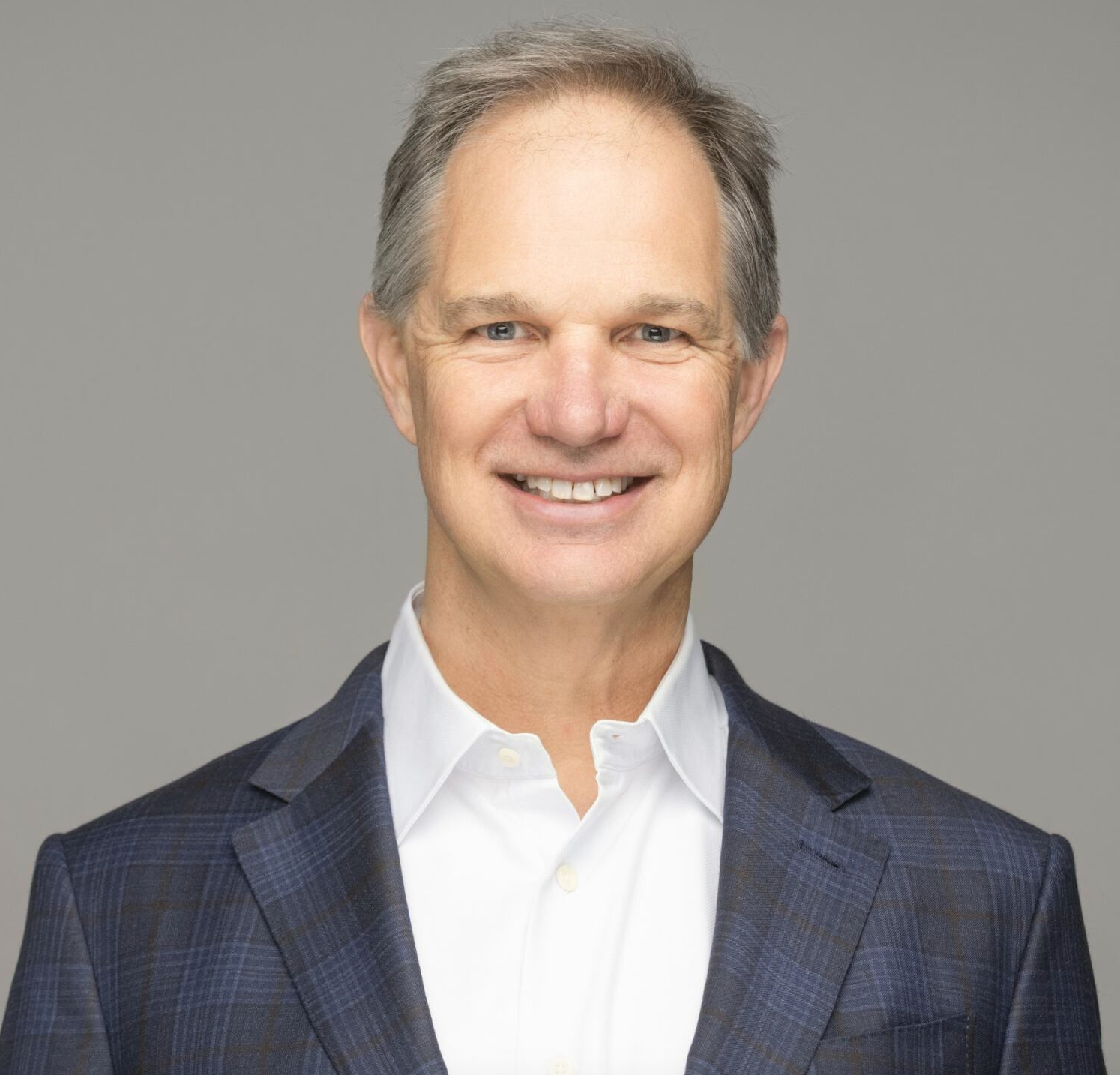
Joseph L. Tasto, MD, MS
Chief Executive Officer
Dr. Tasto has a diverse background in medicine, engineering, research, business and the non-profit sector. In addition to his M.D. degree, he has an M.S. in electrical engineering. He was the Director of Medical Research & Technology at Immersion Medical, where he led multidisciplinary R&D teams that produced robotic and computer-based medical simulators to train physicians.
Dr. Tasto was the Principal Investigator (PI) on 12 grants from the National Institutes of Health (NIH) and the Department of Defense (DoD). Throughout his career Dr. Tasto has focused on starting up biomedical research-related organizations. These include co-founding Medical Science & Computing, Inc (MSC) where he was the Chief Operating Officer (COO) and was the Scientific Program Manager on over $200 million in contracts with the NIH.
In addition, he has founded a consulting company and a social enterprise. He is on multiple non-profit boards. He is published in the fields of medicine, engineering and education. Dr. Tasto serves on NGRF’s Board of Directors.
-
![]()
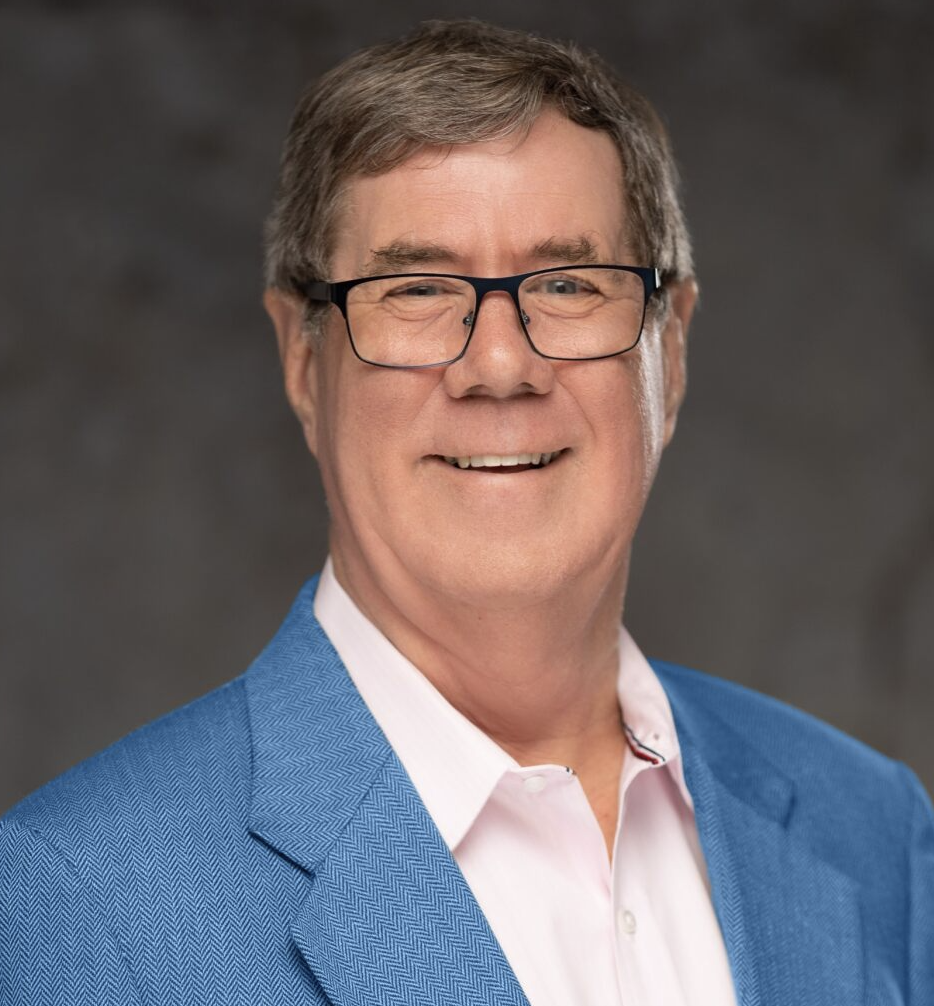
Robert J. Hohman, PhD
Board Chair
Dr. Hohman received his Ph.D. in Microbiology from the National Institutes of Health (NIH) and the University of Maryland, followed by postdoctoral work at the Pasteur Institute and NIH, where he studied immune cell signaling. He spent over a decade in biotechnology, leading R&D at Oncor, Inc., where he helped develop the first FDA-approved FISH-based DNA diagnostic test for breast cancer. He later led research product development and international expansion efforts in France.
In 2000, Dr. Hohman returned to NIH as Associate Director for Research Technologies at the National Institute of Allergy and Infectious Diseases (NIAID), overseeing advanced research infrastructure and a team supporting over 120 principal investigators. Dr. Hohman retired from NIH in December 2019 after a 36-year career and now provides technology consulting to government, industry, and academic institutions. In 2022, he was elected to the board of the Foundation for the Advanced Education in the Sciences, which supports NIH’s mission to train future generations of scientists. Dr. Hohman was appointed as the Chair of NGRF’s Board of Directors in 2024.
-
![]()
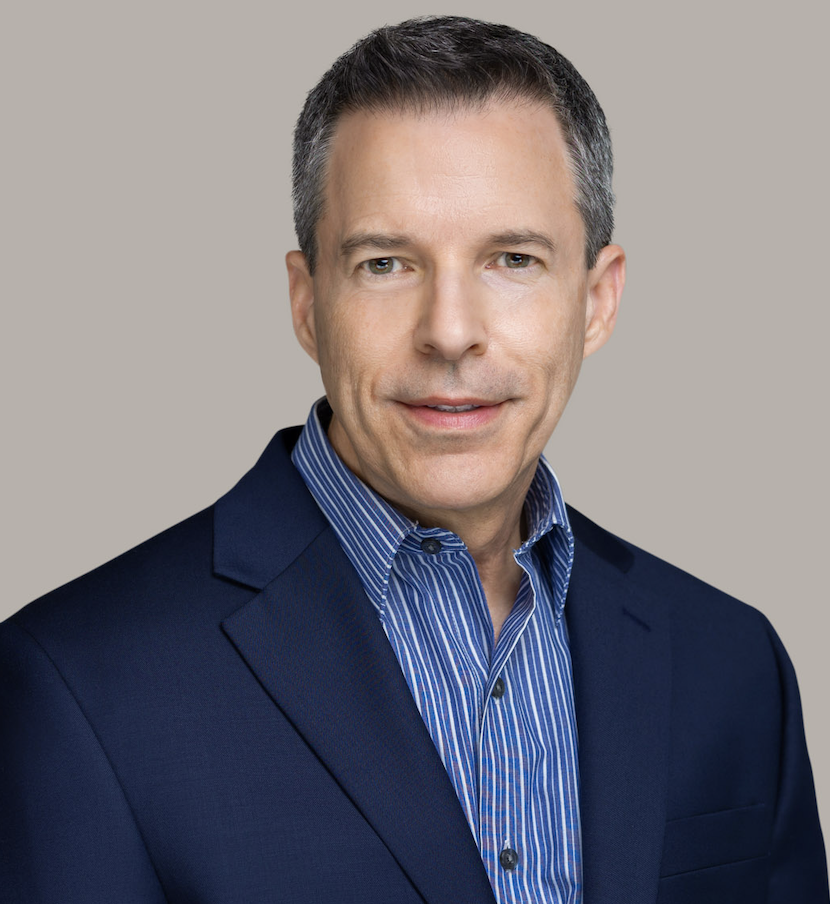
Gary L. Mays, MBA, PMP
Board Member
Mr. Mays brings three decades of cross-sector leadership experience with a career spanning public health, defense, energy, and telecommunications. He currently serves as Chief Operating Officer at Axle, where he partners with business and government executives to lead operations supporting scientific research, emerging technologies, and innovation at scale.
His prior experience includes 16 years at the National Institutes of Health (NIH) where he held senior roles in strategic planning, intramural research management, and international vaccine development. Mr. Mays also served as the Acting Executive Officer of the FDA’s Center for Drug Evaluation and Research (CDER), overseeing operations for the $1.7 billion program supporting over 5,000 personnel. He holds a Senior Executive Service (SES) certification from the U.S. Office of Personnel Management. His career has been defined by his ability to drive innovation, implement broad operational strategies, and foster impactful partnerships advancing translational science and public health outcomes. Mr. Mays serves on NGRF’s Board of Directors.
-
![]()
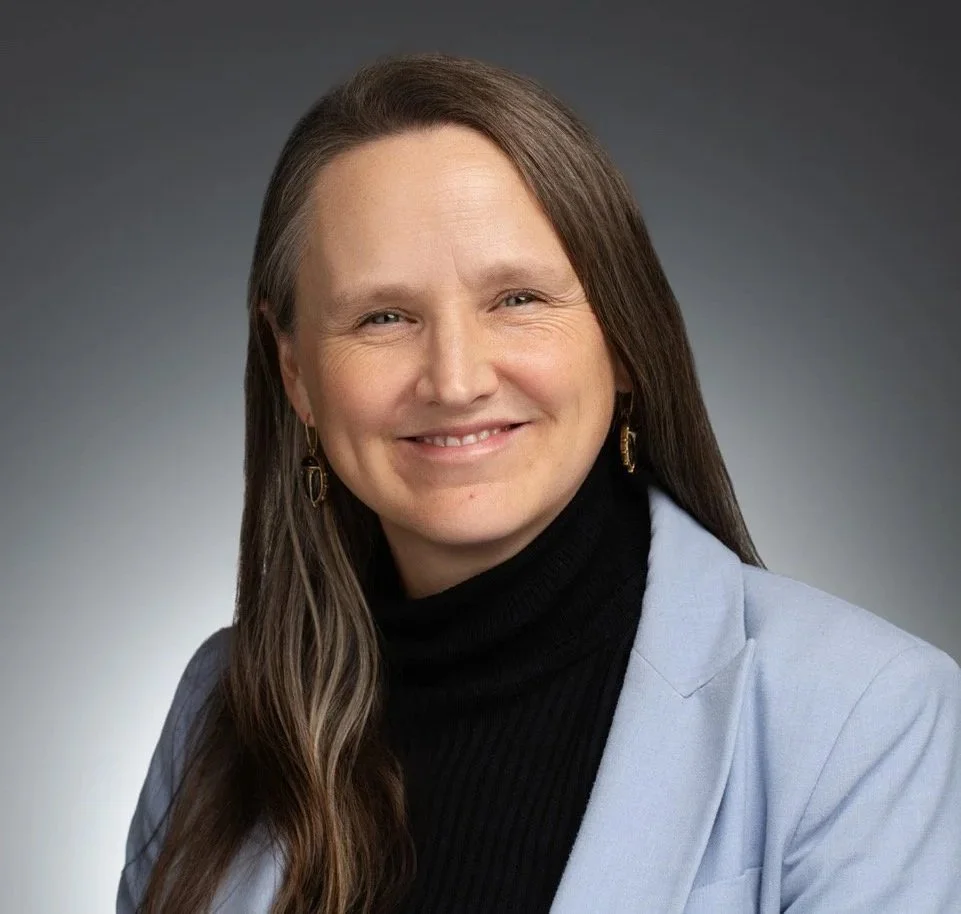
Megan C. King, Ph.D.
Board Member
Megan is a Professor of Cell Biology at the Yale School of Medicine. She received her B.A. in Biochemistry from Brandeis University and her Ph.D. in Biochemistry and Molecular Biophysics from the University of Pennsylvania. During her postdoctoral training with Günter Blobel at Rockefeller University, she discovered new mechanisms for the targeting and function of integral inner nuclear membrane proteins.
Since joining the Cell Biology Department at the Yale School of Medicine in 2009, Megan has continued to investigate the broad array of biological functions that are integrated at the nuclear envelope, from genome integrity to nuclear mechanics to mechanotransduction. In 2018 she teamed up with Patrick Lusk and now co-leads the joint LusKing Lab, which focuses on nuclear mechanics, dynamics and quality control. Megan is a past recipient of the New Innovator Award and was named a Searle Scholar and an Allen Distinguished Investigator. Megan is a fellow of the American Society for Cell Biology and a member of the Connecticut Academy of Science and Engineering.
Our Senior Staff
-
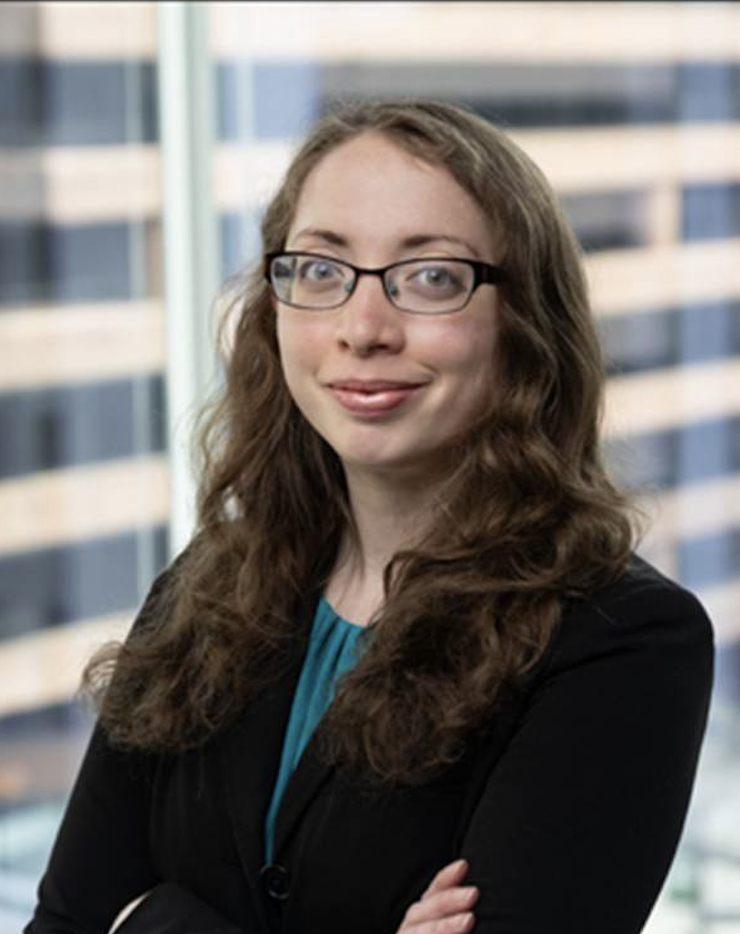
Elle Dellsy
Vice President of Program Development
Ms. Dellsy brings over fifteen years of experience in leading nonprofits and in managing and awarding medical research grants to NGRF, where she serves as the VP of Program Development. Prior to this role she served as the inaugural Executive Director of a data-driven private foundation where she designed and awarded grants in innovative interdisciplinary medical research, which ranged from basic science to translational research, including clinical trials.
Ms. Dellsy has also worked with patient advocates to develop patient-centered gains in cancer research, including work on a cancer prevention vaccine and creating a bio databank, and as a guest lecturer and writer on philanthropy. Ms. Dellsy also served in grants management at the National Cancer Institute, NIH. In addition to her medical and scientific research grants work, she has expertise in grantmaking in five other interest areas and in legacy building for nonprofits and foundations. Ms. Dellsy’s past experience also includes leading multi-million dollar non-profit fundraising campaigns with a focus on constituent communications, analysis, partnerships, and board management.
-
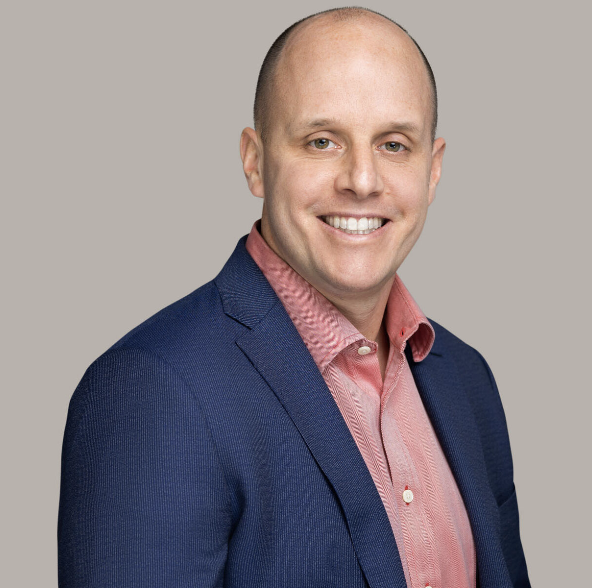
Nathan Hotaling, PhD
Center Director
Dr. Hotaling has nearly two decades of experience in biomedical research and data science. He leads a team of more than 80 data professionals who build and run systems for reproducible research and secure data handling in government contracting and consulting. His groups support large-scale biomedical data analysis, including studies that rely on data sets measuring hundreds of terabytes in size.
In partnership with the National Institutes of Health, Hotaling oversaw development of the Polus Platform, an open-source system that runs on cloud and high-performance computing. The platform combines artificial intelligence, statistical methods, reproducible and traceable workflows, and tools for interactive data exploration in one environment. He has also assembled teams in clinical and microscopy image analysis, real-world evidence pharmacoepidemiology, cheminformatics, molecular modeling, and multiple omics fields. Their work focuses on data quality, harmonization, and hypothesis-driven discovery across conditions that include COVID-19 and cancer.
Dr. Hotaling recognized that the incredibly useful tools, platforms, and processes set up by his teams needed to reach a wider audience, and he thought the nonprofit community was the perfect place to expand. Through the Polus Center for Data Researchat NGRF, he is making the platform and related practices available as open-source resources for biomedical researchers worldwide and hopes to foster a community around these tools.
-
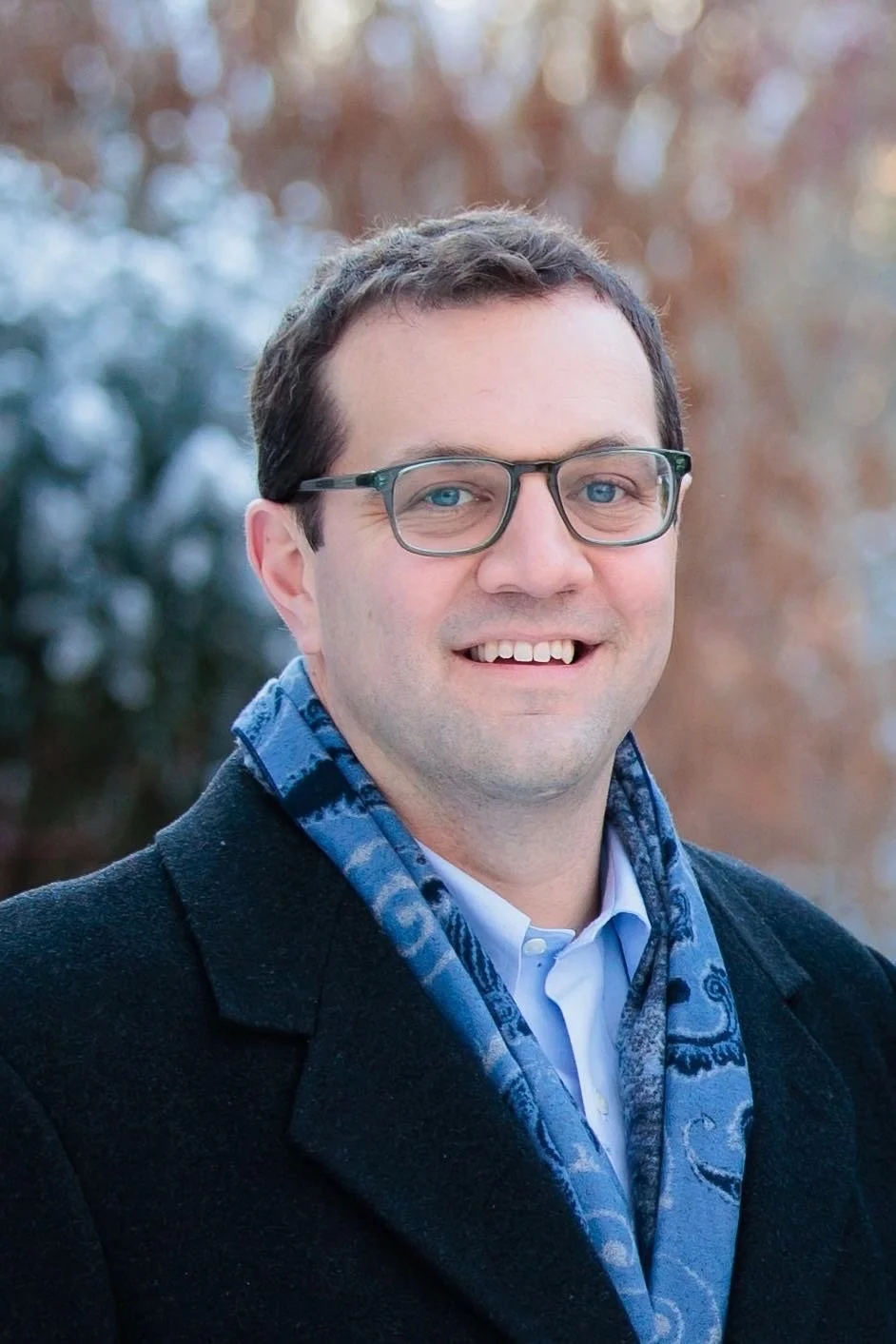
Benjamin Blum
Director of Research Technologies
Benjamin Blum is Director of Research Technologies at Novagen Research Fund. Ben comes to NGRF from a series of biotech startups where he held roles of increasing responsibility, building and leading machine learning and data science platforms to develop novel protein, small molecule, and gene therapy programs in oncology and immunology.
Along the way, he has led data analysis for projects in cancer, neuroscience, and infectious disease, resulting in several publications in leading journals and multiple patents. Ben also has experience in early stage tech startups, building and scaling teams, processes, and infrastructure.
-
Nick Schaub, PhD
Center Director
Dr. Schaub is an interdisciplinary AI research scientist focusing on applications in biology and medicine. His most recent work, Ask AIthena, is a part of the National AI Research Resource (NAIRR) pilot program. Ask AIthena is a large language model (LLM) research augmented generation (RAG) model that aims to accelerate science by giving AI access to all scientific and medical texts (currently 250 million texts). In addition to his LLM work, Dr. Schaub uses AI for computer vision at scale, using AI models to analyzes 100s of terabytes to petabytes of biological data for drug discovery.
Prior to his work in AI, he engaged in neuroscience and materials research to create materials for nerve regeneration, stimulation, and drug delivery. He holds patents for the use of AI in stem cell biomanufacturing and polymeric drug delivery devices. His current interests are in large scale applications of AI to science and medicine, specifically around making data AI accessible in order to discover links between knowledge found in the data and that found in the literature.
-
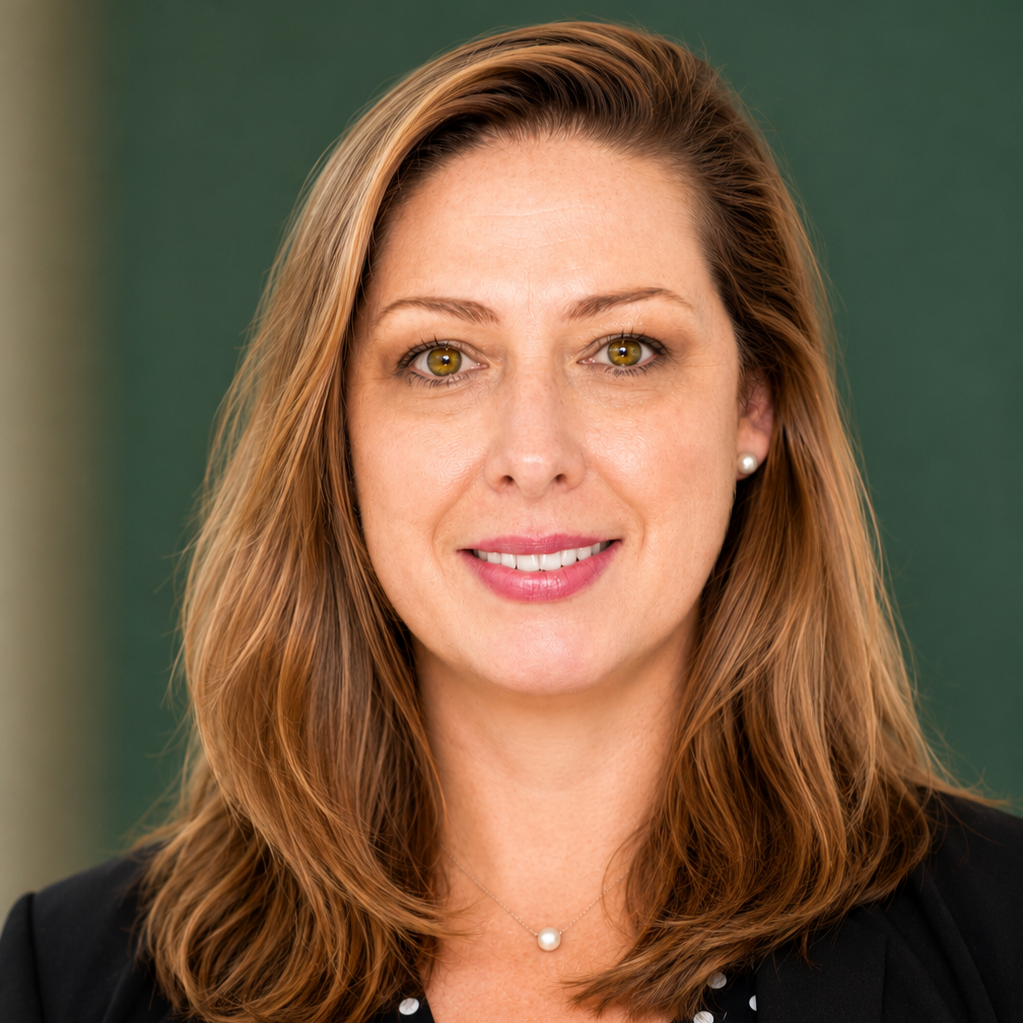
Aubri S. Hoffman, PhD, MS
Decision Scientist and Education Director
Dr. Aubri S. Hoffman brings over three decades of experience advancing high-impact research, AI workforce development, and data-driven decision making. She has led over 25 research programs, delivering measurable outcomes in applied informatics, medical decision making, interprofessional education, and high-value health care. Dr. Hoffman developed more than 15 clinical decision support systems and patient decision aids and contributed to four clinical and methodological guidelines that shape practice and policy. An experienced Education Director, she has designed and delivered training to more than 2,500 individuals worldwide, bringing leadership, rigor, and execution capability to deliver complex, mission-driven initiatives at scale.
Dr. Hoffman earned her PhD in Evaluative Clinical Sciences from Dartmouth College, with multidisciplinary training in decision science, epidemiology/biostatistics, and informatics, and completed postdoctoral training in design thinking, communication, leadership, and interprofessional education. Dr. Hoffman leads NGRF’s decision science lab and education programs.
-
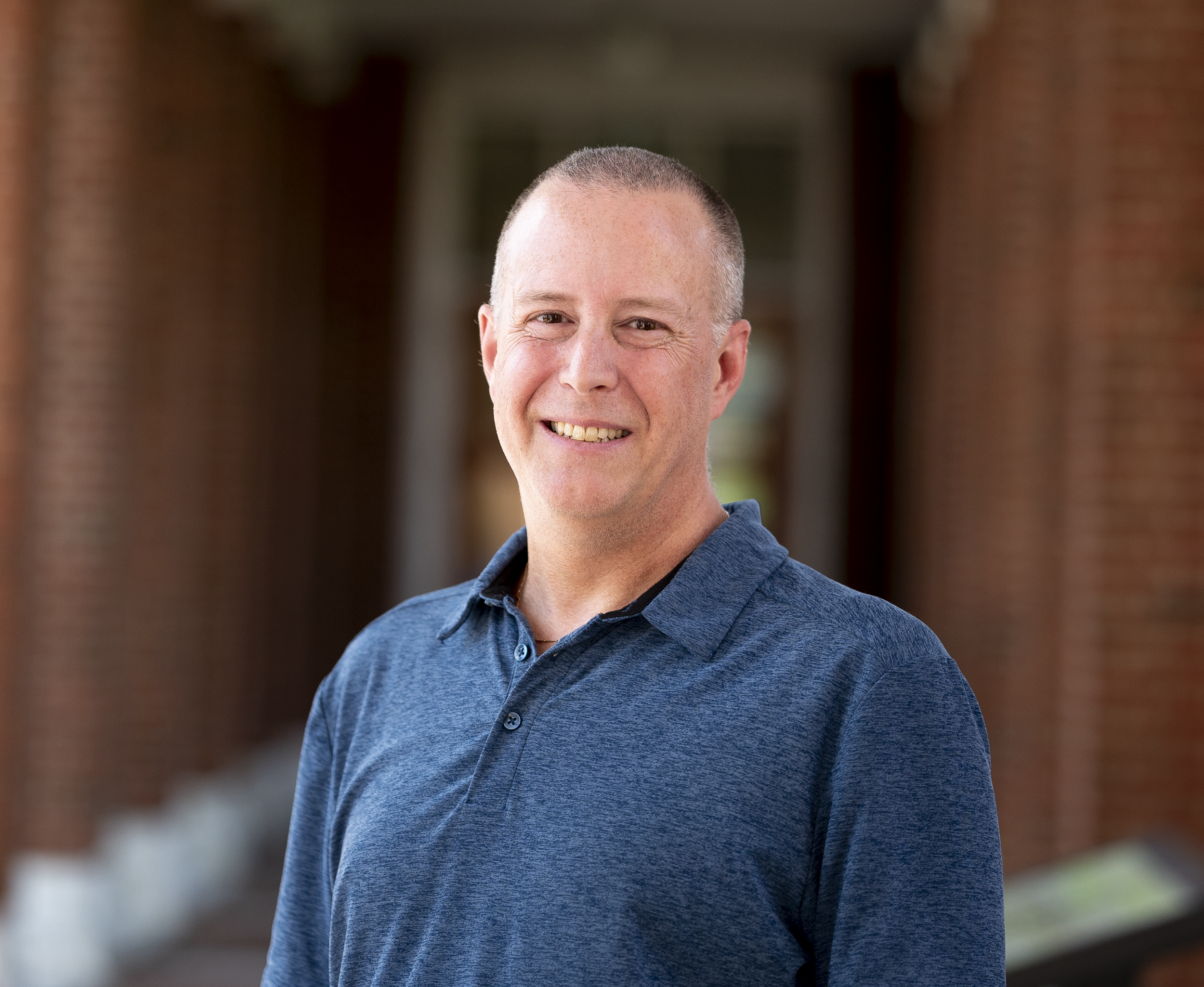
Craig Jones, PhD
Former Center Director
Dr. Craig Jones is Director of the Imaging AI Lab and a distinguished researcher whose career spans AI, data science, and computer vision applied to medical imaging. He also serves as an Assistant Research Professor in Computer Science at Johns Hopkins University and holds joint appointments across Ophthalmology, Radiology, and Gastroenterology within the Johns Hopkins Medical Institutes, facilitating the clinical translation of his research.
Dr. Jones’ pioneering work in uncertainty quantification, automated segmentation, and deep learning methods for modalities such as MRI, CT, ultrasound, and ophthalmological imaging anchors his laboratory. Partnering closely with experts in large language models and image-driven AI, his lab develops integrated systems that detect subtle pathologies with precision and generate actionable clinical insights. By bridging siloed domains, the lab accelerates the development of AI-powered tools that enhance diagnostic accuracy, reduce interpretation time, and improve patient outcomes.
Dr. Jones previously served as Director of the CAMAI Center at NGRF. NGRF continues to maintain a strong academic collaboration with Dr. Jones in his current role at the University of Alberta, where he remains a recognized expert in medical and medical imaging AI, with extensive experience in developing and implementing advanced computational and AI methods across multiple imaging modalities.